
Gulf companies have worked with Indian engineering teams for decades, and the reasons have not changed: the time zones almost match, flights are short, and a large share of the region's technology workforce already moves between the two. What has changed is the regulation. Both the UAE and Saudi Arabia now have data protection laws with teeth, and both have cloud regions where data can stay. This guide covers what a buyer in Dubai, Abu Dhabi, Riyadh or Jeddah should settle before the first sprint.
Hours: almost the same day
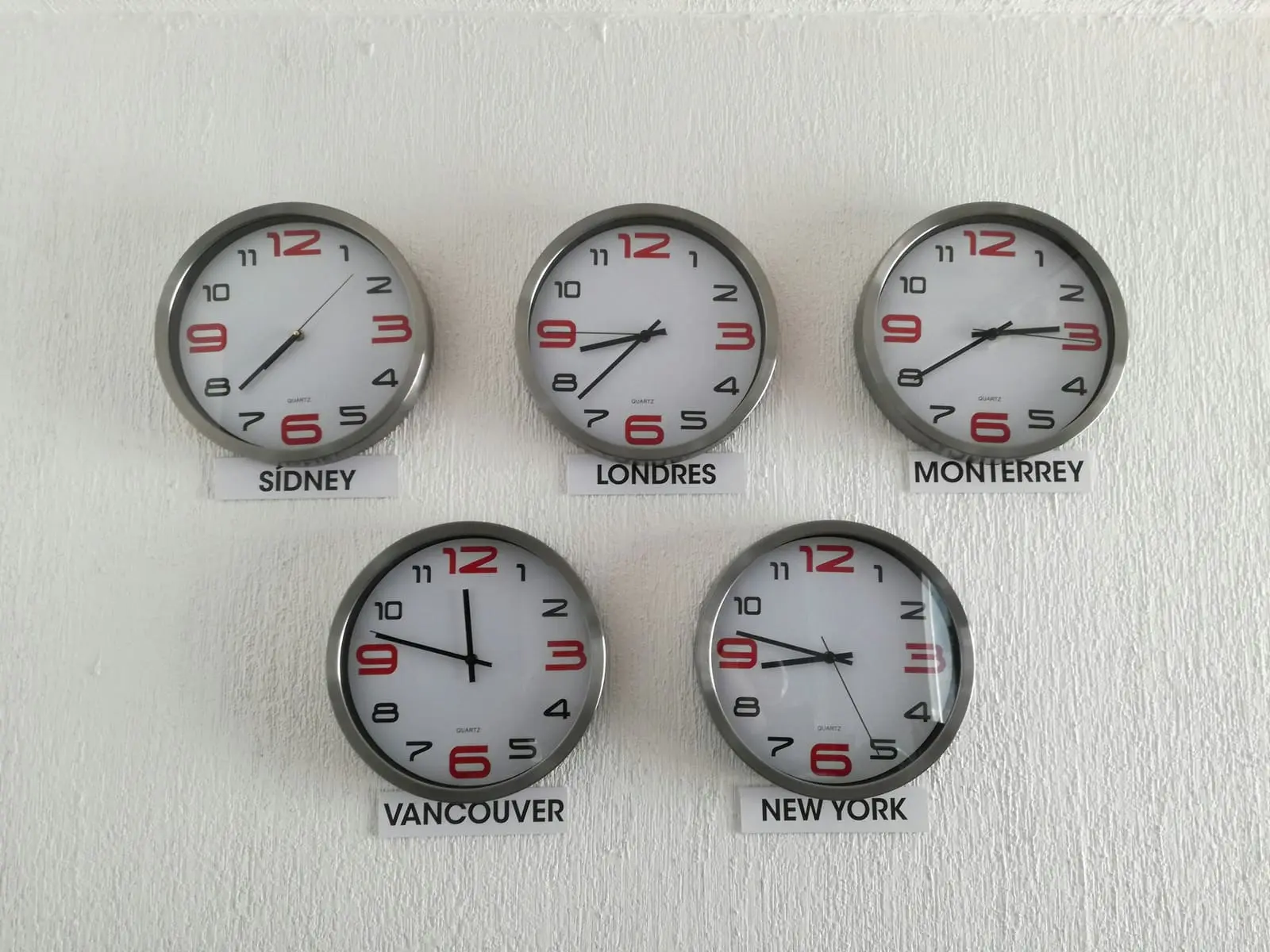
Ahmedabad is one and a half hours ahead of the UAE and two and a half hours ahead of Saudi Arabia. A team working nine to six in India is at its desk from 7:30 am to 4:30 pm in Dubai and 6:30 am to 3:30 pm in Riyadh.
The working week and the calendar
The UAE moved its public sector, and most of the private sector, to a Monday-to-Friday week in 2022, with a shorter Friday. Saudi Arabia works Sunday to Thursday. India works Monday to Friday, so with a Saudi client there is one day a week, Sunday, when the client is working and the team is not, and one day, Friday, the other way round. It is manageable when it is written into the cadence: Sunday is for your review and planning, Friday for the team's release preparation and documentation.
Ramadan shortens working hours across the Gulf for a month each year. Ask the vendor how it plans around it; a team that has worked with the region will already have shorter live sessions and more asynchronous work in that month. Eid holidays in the Gulf and Diwali in India are the other dates to put on the shared calendar in January.
Data protection: two laws, one approach
Saudi Arabia's Personal Data Protection Law is in force with its implementing regulations, and the UAE's federal data protection law applies alongside the separate regimes of the DIFC and ADGM free zones. The details differ; the approach for a development engagement is the same in each.
First, decide what personal data the team needs at all. Development and testing can run on synthetic or anonymised data, and production support can be limited to named people with logged access. Second, put processing terms in the contract: purpose, instructions, security measures, sub-processors, breach notification and deletion. Third, settle the transfer question. Both laws restrict transfers of personal data outside the country; the usual answers are keeping personal data in-country and giving the team access under controls, or a transfer with the legal basis the law allows.
Data residency in a Gulf cloud region
All three large cloud providers now operate regions in the Gulf, in the UAE and in Saudi Arabia, and the sovereign and government clouds add further options. For most systems the residency question is answered by choosing the region at the start and keeping backups, logs and analytics in the same jurisdiction, which is easy to do and expensive to fix later.
The engineering team does not have to be in the country for the data to be. What matters is where the systems run and who can reach production data, and both are decided in the architecture note during discovery. Ask for that note before the build starts, and ask where the CI pipeline, error tracking and analytics send their data as well; those are the services teams forget.
Arabic, right to left and local integrations
A product for the Gulf usually needs Arabic and English, and Arabic means a right-to-left layout, not a translation dropped into a left-to-right design. Plan for it from the first design review: mirrored navigation, bidirectional text in forms, number and date formats, and fonts that render Arabic well. Retrofitting right-to-left support to a finished interface costs more than building it in.
Local integrations come up in most builds: payment gateways used in the region, national identity and e-signature services, government portals, and messaging on the channels customers actually use. List them in discovery and check each for a maintained API and a sandbox before the estimate is final.
Contracts and money
A master services agreement with a statement of work per engagement is the usual structure. Governing law is negotiable; DIFC and ADGM courts are common choices for UAE contracts with foreign vendors, and Saudi contracts often specify Saudi law. Check the IP clause for when ownership passes and for the chain of assignment from the vendor's employees, the notice period to change the team, the replacement terms, and the liability cap.
Ask which currency the vendor invoices in; dirhams, riyals and dollars are all workable, and the choice decides who carries the exchange risk.
What to ask before you sign
- Which hours will the team keep, and how does it handle Ramadan and the Sunday-to-Thursday week?
- Which processing terms will you sign, and what data do you need for development?
- Which cloud region will the system run in, and where do the pipeline, logs and analytics send data?
- How will Arabic and right-to-left support be handled from the first design?
- Which regional integrations have you worked with, and which are on our list?
- Where does the code live from day one, and when does IP assignment take effect?
- Which currency do you invoice in, and on what terms?
The UAE and Saudi Arabia pages have the contact details and hours for the region, the security page sets out the data-protection commitments in detail, and the dedicated development teams page describes how a team is staffed and run.