
Logistics
Dispatch, tracking and field-workforce systems that assign work by skill, area and availability, and tell the customer where things are.
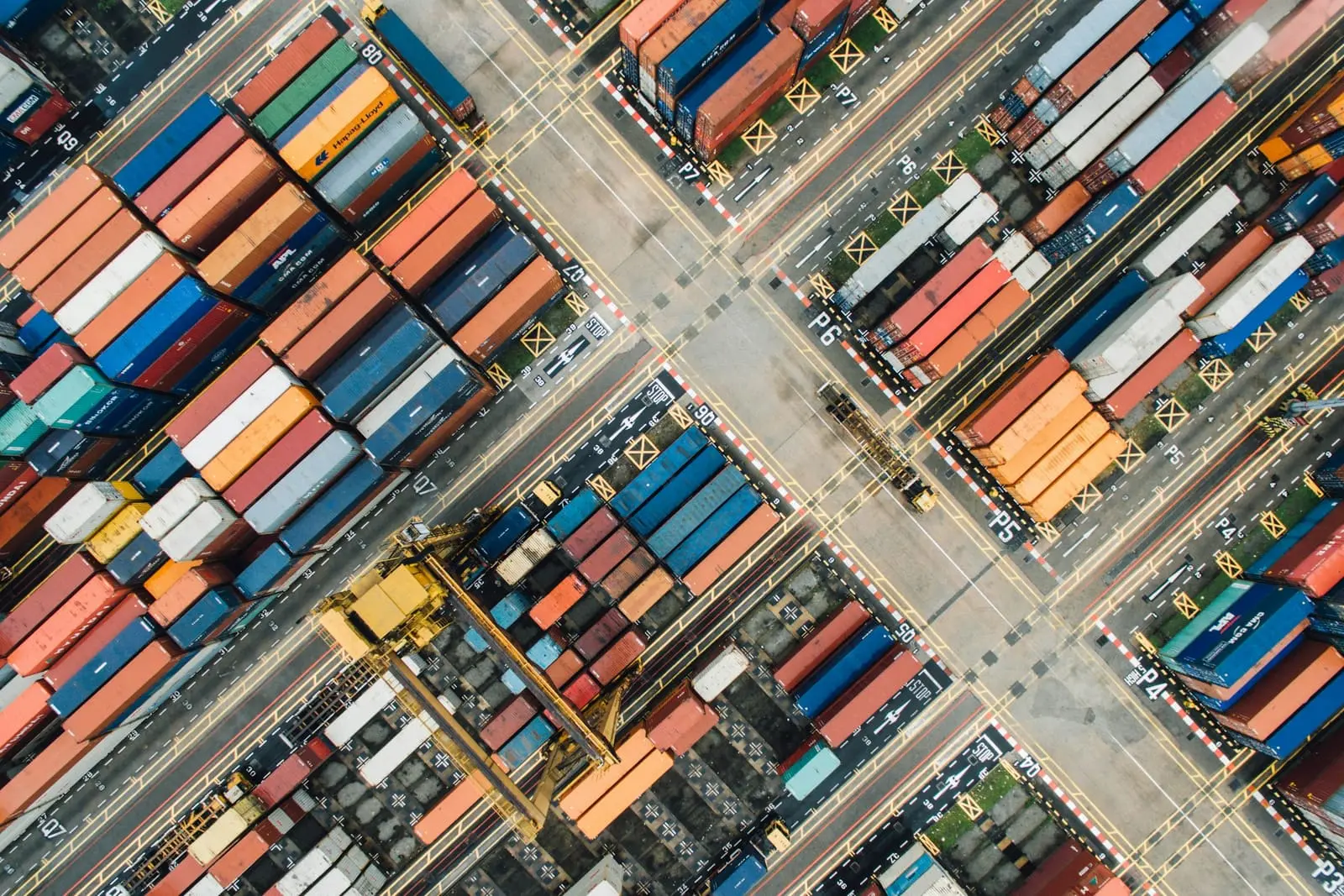
What we build for logistics
The hard part is assignment. Who can do this job, in this area, at this time, without breaking a promise already made to someone else. Getting that right removes most of the phone calls a coordinator makes in a day.
Built for a weak signal
Field apps hold a small offline cache and queue status updates, so a delivery marked complete in a basement is recorded when the phone reconnects rather than lost or entered twice.
Availability is derived, not stored
Free time is calculated from confirmed jobs plus travel time rather than kept as a list of slots. One change then updates every affected slot immediately, which is what stops double bookings.
Typical engagements
The systems Tankar builds for logistics, as deliverables rather than adjectives.
- Dispatch and assignment systems with rules for skill, service area, load and working hours
- Driver and field-partner mobile apps that keep working when the signal drops
- Customer tracking pages and notifications tied to real status changes
- Route and day planning tools for coordinators, with manual override recorded
- Warehouse and consignment tracking with scanning and proof of delivery
- Integrations with courier partners, telematics and payment or cash-collection systems
Compliance notes
The rules that shape a build in this sector and how they are handled in the system rather than in a policy document.
| Requirement | How we build for it |
|---|---|
| India DPDP Act 2023 | Location traces and driver records are personal data. Retention is set per data type, so an operational need for last week's route does not become an indefinite history of a person's movements. |
| GDPR and UK GDPR | Tracking a worker's location needs a documented lawful basis, a retention limit and transparency with the worker, not only with the customer. Those decisions are recorded in the data model rather than left to configuration. |
| E-way bill and GST documentation | Goods moving above the notified value in India require an e-way bill linked to the invoice. Consignment records are built to carry that reference and its validity, so a document check on the road does not stop a delivery. |
| Proof of delivery and evidence retention | Signatures, photographs and scans are evidence in a dispute, so they are stored with a timestamp, the device that captured them and a retention period that matches the dispute window. |
Representative work
Case studies relevant to this sector. Only outcomes with a source are shown.
Tell us what you are building.
NDA on request. Written estimate within 48 hours of a scoped call. Reply within one business day.